Bebo Dumont - ME TENÍA QUE PASAR
Chapter Seven of EL QUE NO LLORA NO MAMA, a cinematic story about accountability, regret, and the emotional weight of living with the consequences of your own decisions.
About the Project
ME TENÍA QUE PASAR serves as the closing emotional chapter of EL QUE NO LLORA NO MAMA, Bebo Dumont's seven-part visual album. Rather than functioning as a standalone music video, the film completes the narrative arc established throughout the project, bringing the story to a moment of acceptance, accountability, and emotional maturity.
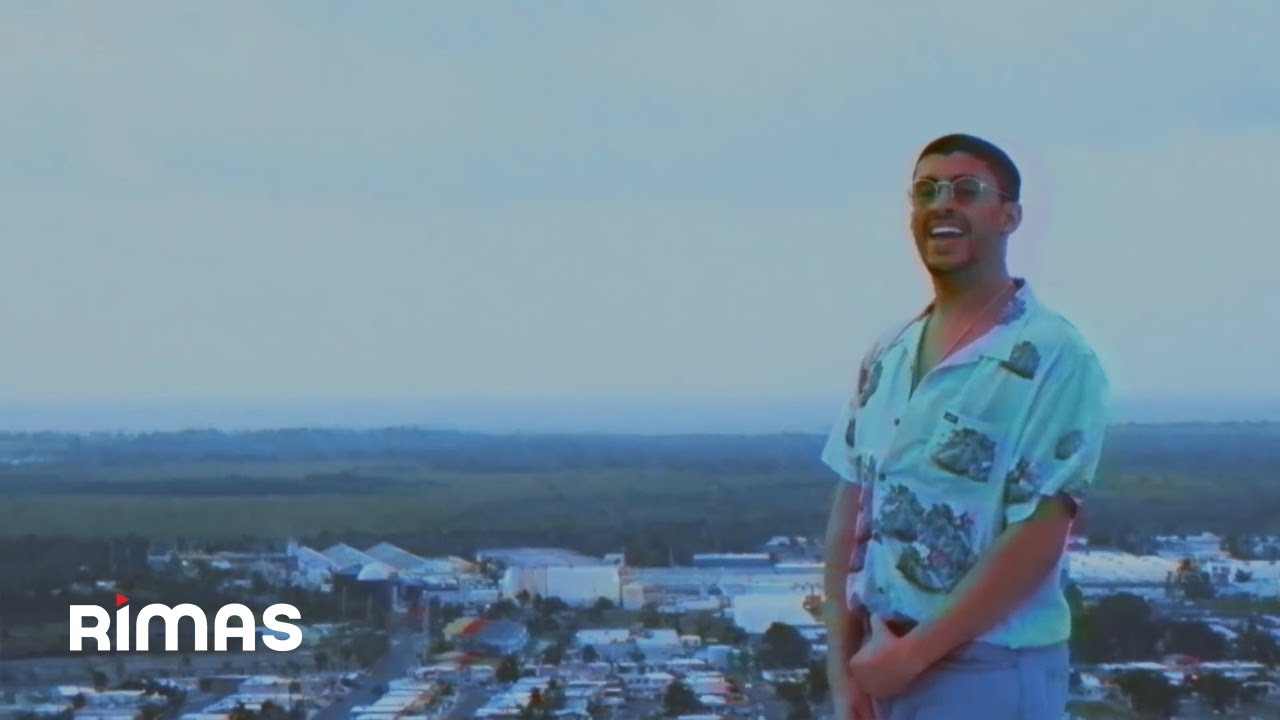
The visual narrative follows a protagonist confronting the emotional consequences of his own actions. Instead of placing blame elsewhere, the story embraces vulnerability and personal responsibility, reinforcing one of the central messages of the album: growth begins when we acknowledge our own mistakes.
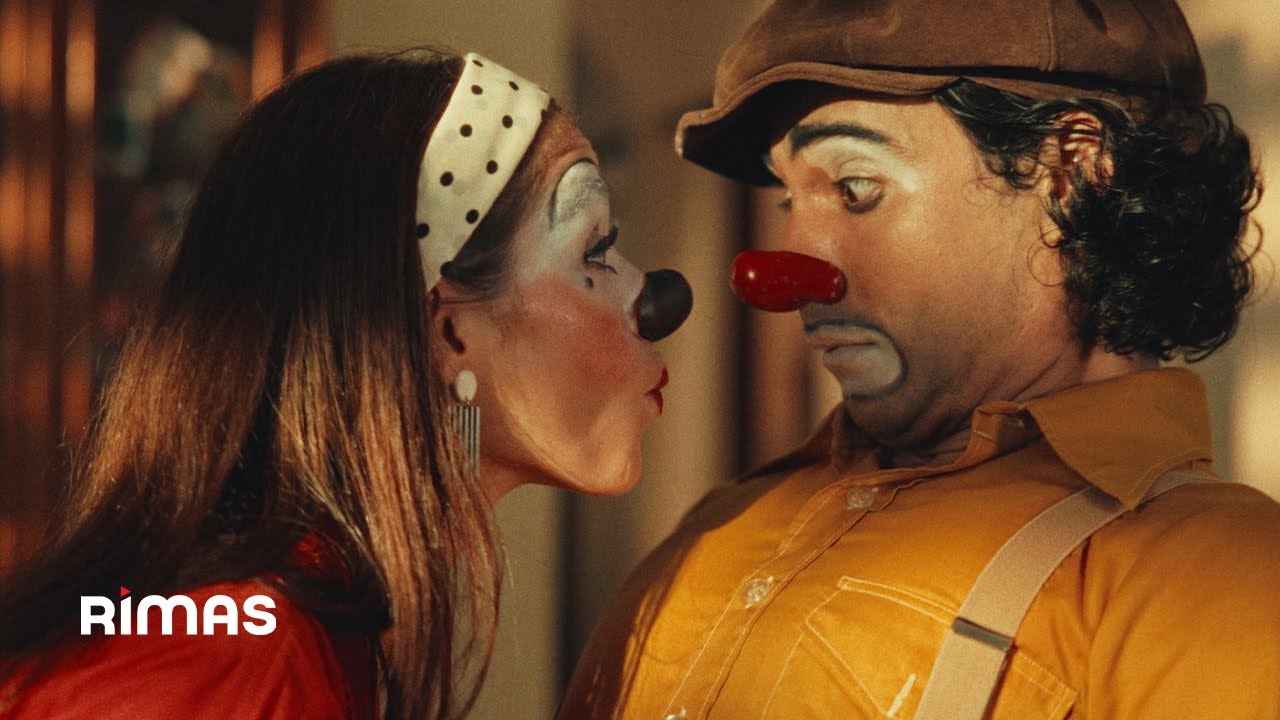
The production also continues the symbolic visual language introduced in earlier chapters. Returning actor Bryan "Brayito" Lebrón remains the central character, while model Sara Isabel portrays the clown figure that represents emotional duality and unresolved inner conflict, expanding the cinematic universe developed across the EP.
AMSTUDIOS served as the Production Company, overseeing the complete production from planning through execution. While Edgar Cruz ("Edgo") directed the creative vision, AMSTUDIOS managed production development, logistics, scheduling, department coordination, equipment, and on-set operations.
This project was filmed as part of the same two-day production schedule as Quiero Quererte, allowing both chapters to share the same production infrastructure, crew, and workflow while maintaining visual continuity throughout the visual album.
Listen To The Track
What AMSTUDIOS Did
Production Highlights
The Approach
A major production objective was preserving complete continuity across multiple chapters of the visual album while maximizing production efficiency.
Instead of treating each music video as an isolated production, AMSTUDIOS developed a unified production strategy that allowed multiple chapters to be filmed over two consecutive production days using the same crew, camera package, art department, lighting team, transportation, and production infrastructure.
Every department operated under one coordinated production workflow, ensuring consistency in visual language while allowing the creative team to focus entirely on storytelling and performance.
This approach reduced production overhead while strengthening the overall cinematic identity of EL QUE NO LLORA NO MAMA.
Results
As the concluding chapter of the visual album, ME TENÍA QUE PASAR reinforces the emotional evolution of the project, completing a story built around healing, vulnerability, accountability, and personal growth.
The production demonstrates AMSTUDIOS' ability to manage interconnected narrative productions where multiple projects are developed simultaneously without sacrificing quality or visual consistency.
More than an individual music video, the project contributes to a larger cinematic body of work designed to function as one continuous visual experience.